Papilio Machaon Butterfly Redwork Review
As an embroidery designer who specializes in commercial merchandise and branded assets, I approach every new machine embroidery design with a critical eye toward production viability. When evaluating the Papilio Machaon Butterfly Redwork for small business use, my primary focus is not just aesthetic beauty, but how this digitization performs on actual garments, patches, and promotional items. Redwork, characterized by its intricate outline stitching and minimal fill, offers unique advantages for businesses looking for a vintage, handmade, or botanical aesthetic without the heavy stitch counts of traditional filled designs. This review breaks down the technical and commercial applications of this specific butterfly motif for apparel decorators, Etsy sellers, and brand owners.
Visual Personality and Brand Alignment
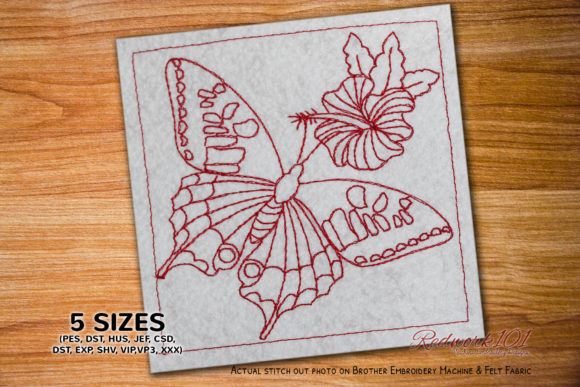
The first impression of the Papilio Machaon Butterfly Redwork is distinctly organic and artisanal. Unlike bold, cartoonish bug designs often found in the Bugs category, this redwork style leans heavily into scientific illustration and classic naturalism. For a small business, this visual language communicates sophistication, attention to detail, and a connection to nature. It feels professional yet approachable, making it an excellent candidate for florists, bakeries using natural ingredients, eco-friendly boutiques, or creative studios wanting a softer brand identity.
Because redwork relies on line art rather than solid blocks of color, it avoids the "stiff" look that can sometimes plague custom apparel. This makes the finished product feel more like high-end retail merchandise and less like a standard corporate uniform. The elegance of the Papilio machaon wings translates beautifully to items where texture and drape matter, such as linen aprons or cotton tote bags.
Understanding the Optional Box Stitch Feature
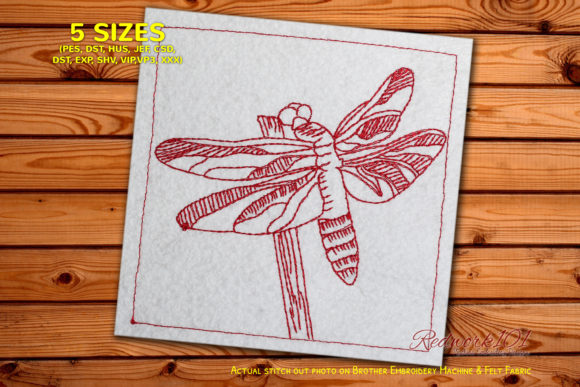
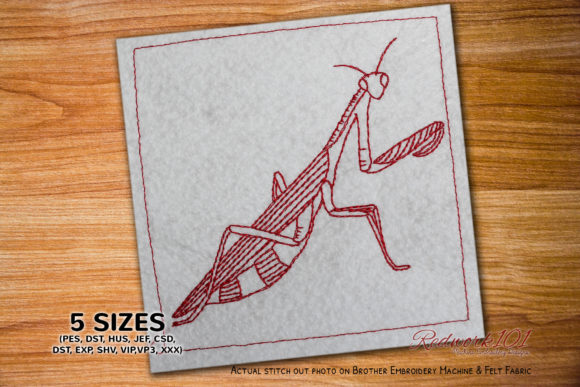
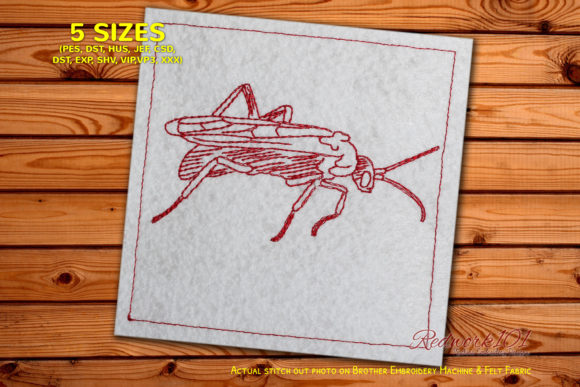
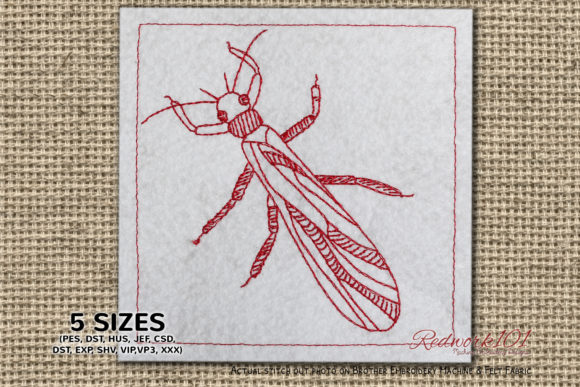
A crucial technical note for anyone purchasing this digital embroidery file involves the framing. As noted in the product details, the box stitch shown in reference images is optional. Furthermore, the outer box color varies across designs unless it is integral to the artwork itself. From a production standpoint, this flexibility is vital for commercial users.
If you are creating a cohesive line of small business merch, you may want to skip the box entirely to allow the butterfly to stand alone as a chest logo or sleeve accent. Alternatively, if you are producing embroidered patches, retaining the box provides a necessary boundary for cutting and merrowing. However, be mindful that if the box color differs from your brand palette, you must edit the file or simply delete those stitches before production. Always verify whether the frame is a separate color stop or integrated into the main design sequence to avoid unnecessary thread trims and production delays.
Commercial Applications for Small Business
The versatility of the Papilio Machaon Butterfly Redwork extends across various business assets. Here is how I recommend deploying this design in a commercial setting:
- Apron Embroidery: The vertical orientation of many butterfly redwork designs fits perfectly on bib aprons. The low stitch density prevents the fabric from puckering, maintaining the apron's functionality and comfort for staff.
- Tote Bag Design: Redwork shines on canvas. The single-weight thread lines contrast sharply against natural cotton, creating a premium handmade product feel that customers value over mass-printed alternatives.
- Cap Embroidery: While redwork can be tricky on curved surfaces due to registration issues, this design’s linear nature allows for better adaptation than dense fills. Ensure you use a cap-specific stabilizer and test the center alignment carefully.
- Product Packaging Accents: Beyond apparel, consider stitching this design onto cloth dust bags, reusable gift wraps, or fabric tags. These add tangible value to physical products and reinforce brand recognition through touch.
- Staff Uniforms: For businesses requiring a subtle logo placement, this butterfly serves as an elegant alternative to text-heavy logos, particularly on collar points or cuffs.
Technical Considerations and Production Risks
While aesthetically pleasing, redwork requires specific technical diligence in commercial embroidery environments. Because the design consists primarily of running stitches and satin outlines, there is little room for error regarding registration or fabric stability.
Stitch Density and Fabric Texture: Redwork does not cover fabric; it decorates it. On highly textured fabrics like terry cloth or loose-knit linens, the fine lines of the Papilio Machaon may get lost or sink into the weave. For these materials, I strongly advise testing on a scrap piece first or opting for a slightly heavier weight thread to ensure visibility. Conversely, on smooth performance wear, ensure your tension is balanced to prevent the thin lines from looping.
Hoop Size and Stabilizer: Never guess your hoop size. Measure the actual stitch field of the file before hooping. Redwork is unforgiving if the fabric shifts during stitching. Use a high-quality cut-away stabilizer for stretchy knits and a tear-away for stable wovens. If you are making patches, use a heavy water-soluble topping to keep the lines crisp and prevent the needle from snagging the base material.
Small Patch Sizes: Caution is required when resizing this design downward for tiny labels or sleeve patches. Redwork details can merge when scaled below 60% of their original size. Before committing to a bulk run of small patches, sew out a test at the intended final size. If the antennae or wing veins become indistinguishable blobs, the design is too detailed for that dimension, and you should seek a simplified version or increase the patch size.
Impact on Customer Trust and Product Value
In the current market, consumers associate visible stitch quality with authenticity. A well-executed Papilio Machaon Butterfly Redwork signals that a business cares about craftsmanship. Unlike direct-to-garment printing, which can crack or fade, embroidery implies permanence. When a customer receives a tote bag or apron featuring this intricate butterfly, they perceive higher value because the decoration method itself is labor-intensive and tactile.
Furthermore, consistent use of this design asset across multiple touchpoints—from staff uniforms to packaging—builds visual consistency. This repetition fosters trust. Customers begin to associate the specific redwork style with your brand’s commitment to quality. For Etsy sellers specifically, this type of niche, nature-inspired imagery aligns perfectly with buyer expectations for unique, non-corporate goods.
Designer’s Pre-Production Checklist
Before loading this embroidery file into your machine for a client order or inventory stock, complete this verification process:
- Create a Printable Mockup: Visualize the design on the actual garment template. Does the scale look proportional? Is the placement correct for the item's construction seams?
- Test in Black and White: Print a worksheet of the design in grayscale. This helps identify potential density issues or gaps that color might hide on screen.
- Verify Thread Colors: Since the outer box color varies, confirm your thread selection matches your brand guidelines. Do not assume the digitizer’s default colors suit your merchandise.
- Check Commercial Licensing: Always review the license terms included with the digital file. Confirm you have the rights to use the design on items for sale, not just personal projects.
- Sew-Out Validation: Never skip the test sew-out. Inspect the back of the sample for bobbin tension issues and the front for registration accuracy. Compare it beside other design assets in your collection to ensure stylistic cohesion.
The Papilio Machaon Butterfly Redwork is a sophisticated choice for businesses aiming to elevate their merchandise beyond standard promotional gear. By respecting the technical nuances of redwork and leveraging its optional framing features strategically, apparel decorators and business owners can create branded items that feel both timeless and intentionally crafted. Whether used as a standalone chest logo or a framed patch, this design offers a delicate balance of natural beauty and professional utility suitable for discerning brands.