Stoneflies Insect Bluework: A Sweatshirt Design Review
As an embroidery designer constantly sourcing assets for boutique apparel drops, I approach every new machine embroidery design with a critical eye. It is not enough for a digitized file to simply stitch out cleanly on a test swatch; it must translate into a sellable, wearable product that resonates with customers. When evaluating the Stoneflies Insect Bluework design for an upcoming premium sweatshirt collection, my primary focus is on how this specific aesthetic bridges the gap between scientific illustration and modern streetwear. For small clothing brands and Etsy sellers, the difference between a hobbyist project and a commercial product often lies in these nuanced design choices.
First Impressions and Aesthetic Versatility
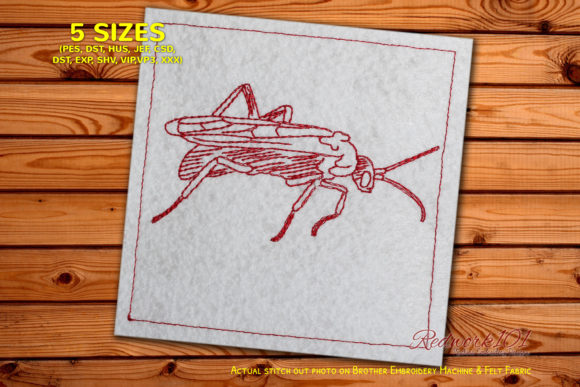
The initial appeal of Stoneflies Insect Bluework lies in its monochromatic sophistication. Bluework, traditionally associated with porcelain or vintage linens, brings an unexpected elegance to the Bugs category. Unlike hyper-realistic, multi-colored insect designs that can sometimes look costumey or juvenile, this blue-toned palette feels intentional and curated. For a boutique brand, this colorway suggests a "cottagecore meets academia" vibe that is currently dominating the handmade product market.
Visually, the design strikes a balance between delicate detail and bold readability. On neutral sweatshirts like oatmeal, sand, or heather grey, the blue thread creates a soft contrast that feels vintage and lived-in. However, where this design truly shines is on darker fabrics. Testing the concept mentally against navy or charcoal fleece, the bluework pops with a luminosity that lighter threads cannot achieve. This makes it an excellent candidate for seasonal apparel transitions, working equally well on pastel spring hoodies and cozy autumn crewnecks. The mood is distinctly rustic yet refined, avoiding the overly cutesy trap that many insect embroideries fall into.
Evaluating the Optional Box Stitch Feature
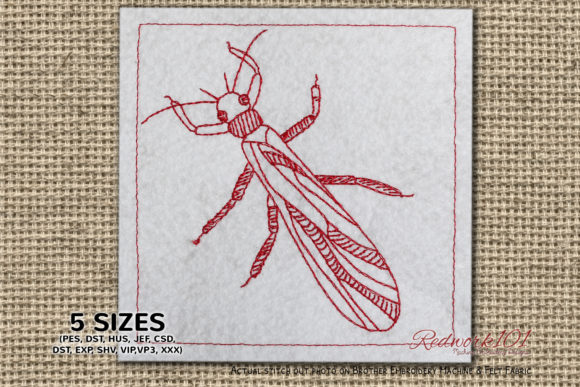
A crucial technical note from the product description states: "The Box Stitch shown in picture is optional. The color of outer Box is different color in most of the designs unless it is part of the design itself, you can skip the color directly." As a designer preparing for commercial embroidery, I view this modularity as a massive asset rather than a limitation.
For a minimalist chest placement on an oversized hoodie, I would likely skip the box entirely. Removing the frame allows the stonefly to breathe, creating a more organic, free-floating motif that aligns with current fashion trends favoring negative space. Conversely, for a structured tote bag or a centered back yoke design on a sweatshirt, retaining the box stitch adds necessary architectural framing. It transforms the embroidery from a mere illustration into a badge or logo-like element. This flexibility means one embroidery file can serve multiple SKUs within your shop, maximizing the ROI on your design assets.
However, a word of caution regarding the box color: always verify your thread chart before production. If the box is indeed a separate color stop intended for contrast, ensure it complements your base garment. If you are stitching on a dark navy sweatshirt and the box defaults to a light blue that clashes with your chosen dark blue insect thread, use your machine’s editing functions to skip or recolor that stop. Never assume default digitizing settings will match your specific boutique aesthetic.
Technical Performance on Heavyweight Fleece
Sweatshirt embroidery presents unique challenges compared to quilting cotton or denim. Fleece has texture, pile, and stretch, all of which can distort fine details. When reviewing Stoneflies Insect Bluework for this application, I am looking at stitch density and underlay strategy.
Bluework styles typically rely on satin stitches and fine running stitches to mimic ink lines. On high-pile fleece, these delicate lines risk sinking into the fabric. Before committing to a full production run, you must test the stitch density. If the design feels too sparse, the fabric texture will dominate, and the insect will lose its definition. You may need to add a water-soluble topping during hooping to keep the stitches crisp. Additionally, because sweatshirts stretch, proper stabilization is non-negotiable. A medium-weight cutaway stabilizer is usually required to prevent puckering around the hoop edges and to maintain the integrity of the design after washing.
I also recommend checking the minimum size recommendations. While the digital preview might look sharp at 3 inches, the physical reality of thread thickness means that intricate wing veins or antennae could become muddy on textured knit fabrics. Always prioritize readability over miniature perfection when designing for custom apparel.
Commercial Viability for Small Shops
For Etsy sellers and creative entrepreneurs, time is money. The Stoneflies Insect Bluework design supports efficient workflow because of its inherent versatility. Because it is monochromatic, thread changes are minimized, reducing production time and the risk of tension errors during long runs. This efficiency is vital when fulfilling orders for a limited drop or managing made-to-order listings.
From a branding perspective, this design helps establish visual recognition. Consistent use of bluework across a collection creates a cohesive narrative that buyers trust. When a customer sees your printable mockup featuring this stonefly, they aren't just buying a bug shirt; they are buying into a specific artistic sensibility. The optional framing feature further aids in branding, allowing you to create matching sets—perhaps a framed version on a cap and a frameless version on a sleeve accent—without purchasing additional files.
Placement Strategy and Product Value
Where you place this design dictates its perceived value. Center-chest placements are standard, but consider how Stoneflies Insect Bluework interacts with garment construction. A left-chest placement utilizing the boxed version mimics traditional workwear or university aesthetics, lending an air of heritage quality. Alternatively, placing the unboxed insect near the cuff of a sleeve or along the side seam of an oversized hoodie creates a subtle, high-end detail that encourages closer inspection.
These thoughtful placements elevate the item from basic merchandise to a designer piece. Customers are willing to pay a premium for custom apparel that demonstrates intentionality. When photographing your finished product for listings, highlight these details. Show the texture of the embroidery against the fleece. Capture the sheen of the blue thread in natural light. These visual cues communicate quality and justify higher price points in a saturated market.
Final Considerations Before Production
Before adding this digital embroidery file to your production queue, perform due diligence. Verify the hoop size requirements against your available equipment. Confirm the license terms allow for commercial sale on physical garments, especially if you plan to scale beyond a small batch. Test the design on the exact weight of sweatshirt you intend to sell, as 10oz and 13oz fleece behave very differently under needle penetration.
Ultimately, Stoneflies Insect Bluework represents a strong contender for boutique collections. It avoids the generic pitfalls of nature-themed embroidery by offering a stylized, color-coordinated aesthetic that feels both nostalgic and contemporary. By leveraging the optional box feature and respecting the technical demands of fleece, small business owners can transform this digital asset into a tangible, profitable product that delights customers and strengthens brand identity. Whether you are aiming for a rustic cabin vibe or a modern entomology aesthetic, this design provides the foundational artistry needed to succeed in the competitive world of handmade apparel.