Pterygota Redwork: A Designer Review for Business Merch
As an embroidery designer who specializes in commercial branding and merchandise production, I approach every new machine embroidery design with a critical eye toward production viability. When evaluating the Pterygota Redwork file for potential use in small business merchandise, my primary concern is not just aesthetic appeal, but how the digitizing translates to real-world applications like patches, uniforms, and retail goods. This review breaks down the technical and visual performance of this specific insect-themed design for entrepreneurs, apparel decorators, and Etsy sellers looking to expand their product lines.
Visual Personality and First Impressions
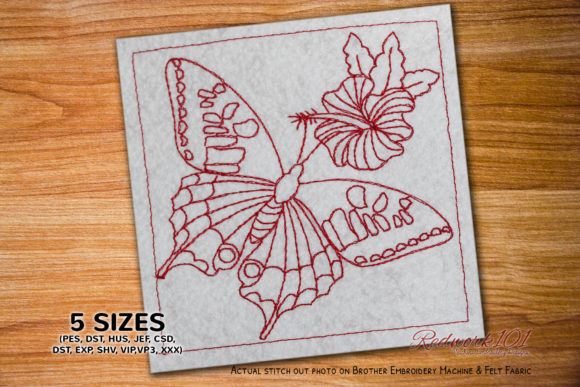
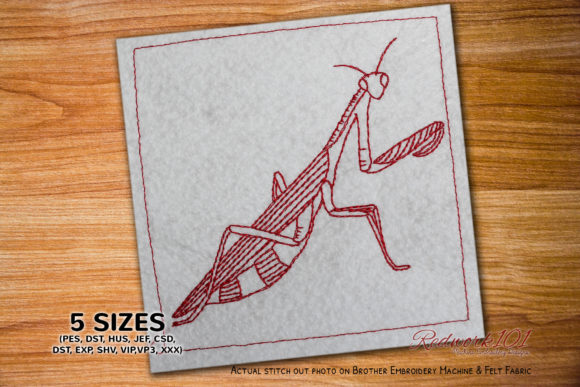
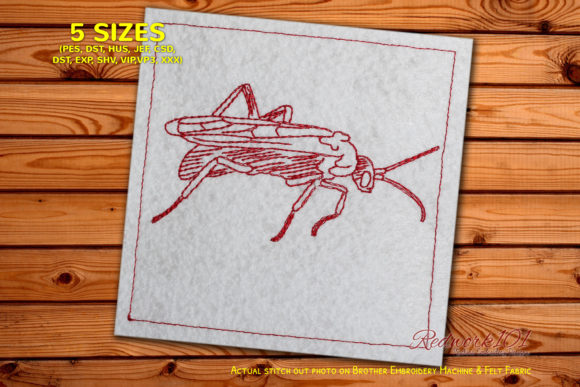
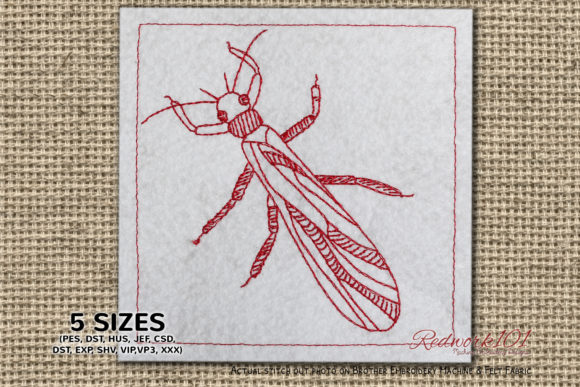
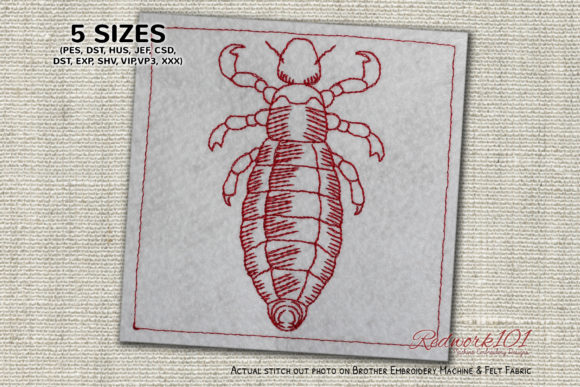
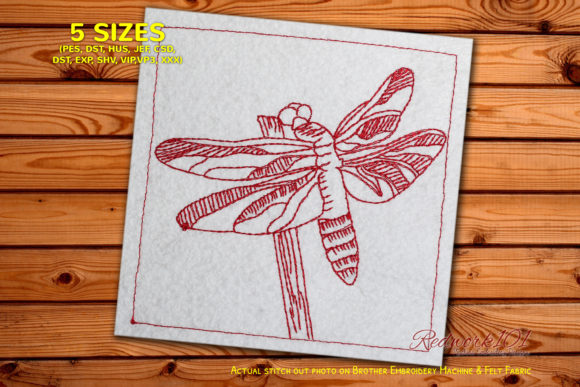
The Pterygota Redwork design immediately presents itself as a versatile, vintage-inspired asset. In the context of brand identity, redwork styles are inherently nostalgic and artisanal. For a handmade product business, florist, or organic bakery, this aesthetic communicates authenticity and attention to detail that modern, filled-in vector logos often lack. The line-art nature of the Pterygota illustration suggests a lightweight stitch structure, which is crucial for maintaining fabric drape on lighter garments.
However, the "Bugs" category can be polarizing in commercial settings. As a designer, I see this specific rendering as elegant rather than creepy, making it suitable for boutique branding or nature-focused creative studios. The optional box stitch mentioned in the product description is a significant feature. From a merchandising perspective, the ability to toggle this frame allows you to create two distinct assets from one embroidery file: a standalone motif for subtle sleeve accents or chest placements, and a framed version ideal for structured embroidered patch production.
Evaluating the Optional Box Stitch Feature
The product notes specify that the outer box color differs in most designs unless integral to the art, and that it can be skipped directly in your software. This flexibility is vital for small business merch. If you are producing custom apparel for a staff uniform, you might omit the box to reduce stitch count and increase comfort. Conversely, if you are creating sellable patches for tote bags or caps, retaining the box provides a necessary boundary that defines the shape during the cutting and merrowing process.
I strongly advise testing both variations before committing to a bulk run. The contrast between the redwork thread and the box color will dictate the visibility of the design at smaller sizes. Ensure the box does not visually overpower the delicate internal details of the Pterygota illustration, especially when scaling down for hat fronts or pocket logos.
Commercial Applications and Merchandise Viability
For small business owners and makers, versatility equals return on investment. Pterygota Redwork performs exceptionally well across several high-value categories:
- Apron Embroidery: The linear style prevents the heavy, stiff feeling associated with dense fill stitches. This makes it perfect for café or florist aprons where wearer comfort is paramount.
- Tote Bag Design: Canvas totes provide a stable base for redwork. The design’s rustic charm aligns perfectly with eco-friendly packaging and reusable shopping bag initiatives.
- Cap Embroidery: Because redwork relies on running stitches and outlines rather than large satin columns, it minimizes the risk of puckering on curved cap fronts. This is a major advantage over complex, dense bug designs.
- Product Packaging Accents: Use the unboxed version as a premium seal on tissue paper or cloth wrapping for a luxury unboxing experience.
When used as a branded element, this design elevates perceived value. Customers associate intricate needlework with quality craftsmanship. Whether applied to a pet brand bandana or a creative studio welcome gift, the Pterygota Redwork signals a commitment to tactile, thoughtful branding.
Technical Considerations for Production
While the aesthetic is forgiving, the technical execution requires diligence. Redwork designs live or die by their registration. Because there are no fills to hide gaps, any misalignment between outline passes will be immediately visible. Before loading this digital embroidery file into your machine for a client order, consider the following technical constraints:
- Stitch Density and Fabric Texture: Test the design on the exact material you intend to use. On textured fabrics like linen or burlap, fine redwork lines may get lost. You may need to slightly increase the stitch width or add a top stabilizer to ensure crisp definition.
- Hoop Size and Stabilizer: Always verify the required hoop size against your machine's capabilities. For stretchy knits or performance wear, use a cut-away stabilizer to prevent distortion of the circular or linear elements. For woven cottons or canvas, a tear-away may suffice, but test first to avoid leaving residue near fine lines.
- Thread Color Contrast: The description notes variable box colors. When adapting this for your specific brand palette, ensure sufficient contrast. A dark red thread on a black shirt may look sophisticated in a mockup but disappear in low-light retail environments. High contrast ensures readability and impact.
- Washability: Redwork generally holds up well to laundering because it lacks heavy thread buildup. However, confirm that your chosen thread type (polyester vs. rayon) matches the care requirements of the finished product. Polyester is recommended for workwear and items requiring frequent hot washing.
Brand Consistency and Professional Presentation
Integrating Pterygota Redwork into your lineup requires a strategic approach to maintain professional standards. Visual consistency builds customer trust. If you use this design for staff shirts, ensure the placement and scale match across all sizes. A 3-inch design on a small shirt should not become a 5-inch design on an XL; adjust proportionally to maintain visual balance.
Furthermore, always create a printable mockup or sew-out sample for client approval before mass production. Digital renderings cannot accurately simulate the texture of thread on fabric. Showing a physical sample manages expectations regarding the "handmade" variance inherent in embroidery. This step protects your reputation and reduces costly reworks.
Designer Notes for Safe Implementation
Before purchasing or stitching, perform these essential checks to ensure the Pterygota Redwork meets your commercial needs:
- Verify Licensing: Confirm the commercial license terms specifically allow for selling finished products or using the design on merchandise for sale. Never assume personal-use files are cleared for business application.
- Test in Monochrome: Digitize or view the file in black and white first. This reveals the true structure of the design without color distraction. If the hierarchy of elements isn't clear in grayscale, it won't translate well in thread.
- Check Small Size Legibility: If you plan to use this as a tiny label or tag, measure the smallest internal spaces. Lines closer than 1mm may merge during stitching. Resize cautiously or request a specialized small-size version from the digitizer.
- Compare Design Assets: Place this design beside your existing logo and typography. Does the stroke weight of the redwork complement your brand font? Cohesion between digital and embroidered assets creates a unified brand experience.
Pterygota Redwork offers a unique opportunity for businesses to embrace a softer, more organic branding style. Its optional framing and lightweight construction make it a practical choice for diverse merchandise, provided you respect the technical nuances of redwork embroidery. By validating the file against your specific substrates and brand goals, you can transform this digital asset into a tangible mark of quality that resonates with customers and enhances your product offerings.